
SMP for Alopecia
Alopecia areata, totalis, traction, scarring — SMP offers a flexible, durable camouflage option.
Sessions
2–4 sessions
Session length
90–180 min
Spacing
2–4 weeks apart
Downtime
None
Final result
6–8 weeks
Stability requirement
12+ months
Alopecia is unpredictable. SMP works because it does not depend on follicle survival — pigment is placed in the dermis, the dermis is intact, and the visual outcome is independent of what the follicles do next.
We treat stable alopecia areata, alopecia totalis, ophiasis pattern, traction alopecia (post-stabilisation), and scarring alopecias once disease activity has stopped.
When SMP Is the Right Fit for Alopecia
- Alopecia areata, stable for 12+ months — yes
- Alopecia totalis or universalis — yes, treated as full shaved-look
- Active fast-progressing alopecia areata — no, wait until stable
- Stable late-stage traction alopecia — yes
- Stable scarring alopecia (LPP, FFA in remission) — yes
The Combined Plan
For many alopecia clients we recommend continuing any prescribed medical treatment (topical immunotherapy, JAK inhibitors, corticosteroid injections) and using SMP to camouflage the visible patches. SMP does not interfere with medical therapies. If hair regrows naturally, you can simply leave the SMP in place underneath — it acts as additional density rather than a replacement.
Designing Around an Unpredictable Disease
We document each existing patch, plan a coverage approach, and check in at 6-month intervals to monitor for new activity. If new patches appear later, they can usually be added in a follow-up session with minimal additional treatment.
A Different Conversation Than Standard SMP
Alopecia patients often arrive with frustration from years of treatments that did not work. We start the intake by listening — to what you have tried, what has worked, what has not, and what your goals look like now. The right plan often combines SMP with continued medical management, not as a replacement for it.
Eignung
Ist das der richtige Eingriff für Sie?
Am besten geeignet für
- Stable alopecia areata (12+ months)
- Alopecia totalis or universalis
- Stable scarring alopecia (LPP, FFA in remission)
- Late-stage stable traction alopecia
- Patients preferring camouflage over surgical attempts
Nicht der richtige Eingriff, wenn
- Active fast-progressing alopecia
- Active scarring alopecia until disease stability is documented
- Active scalp infection or inflammation
Das Paket
Was enthalten ist
Die Summe, die Sie bei der Aufnahme unterzeichnen, deckt alles unten Genannte ab. Keine Einzelrechnungen, keine überraschenden Zusatzkosten.
Arten von Haarausfall · Typen und Behandlungen
Ihr Leitfaden zu Haarausfall.
Haarausfall ist nicht gleich Haarausfall. Die Art bestimmt die Behandlung — und ob SMP überhaupt sinnvoll ist. Hier sind die acht Arten, die wir am häufigsten sehen, einfach erklärt.
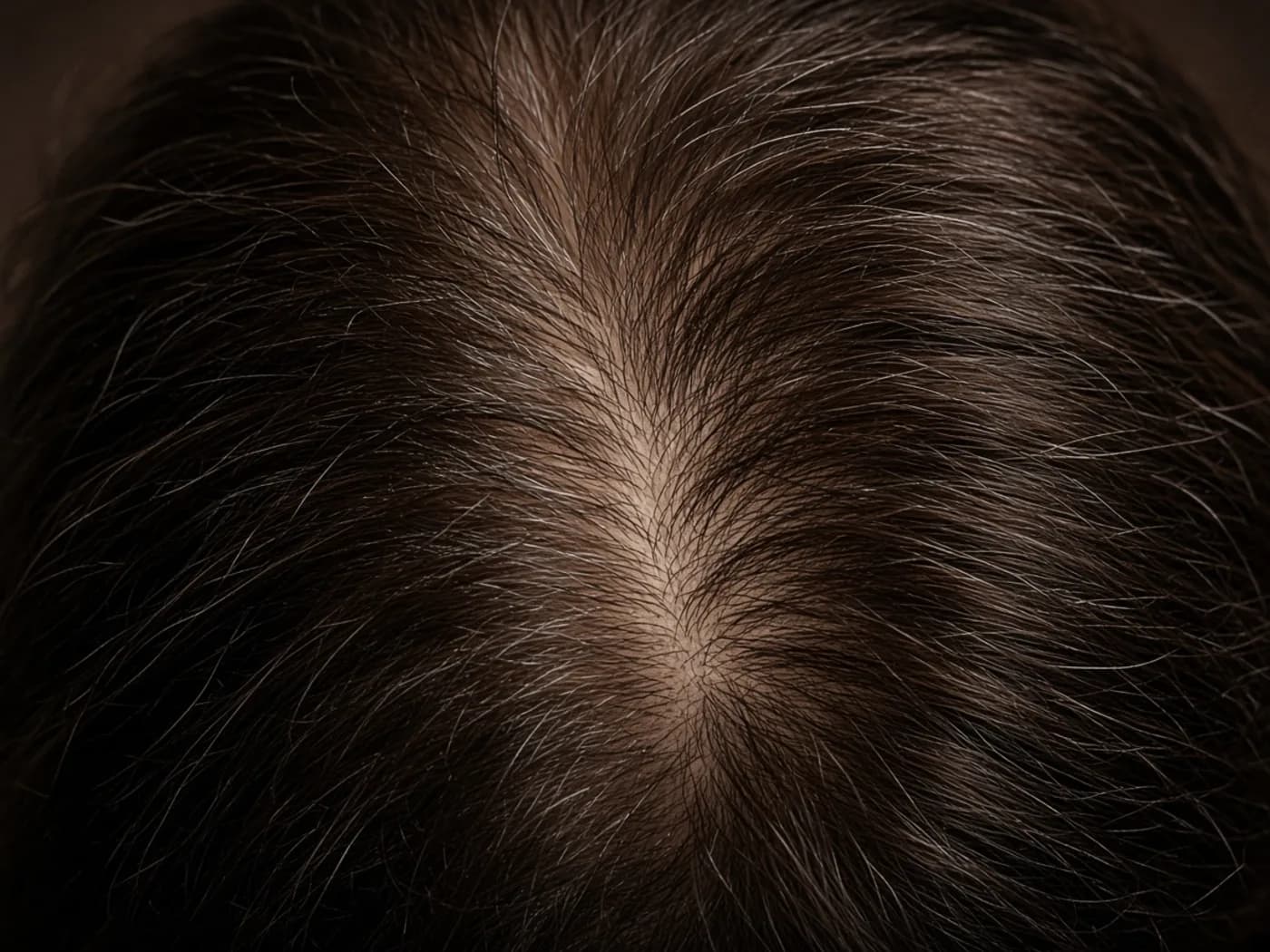
Typen und Behandlungen
Ihr Leitfaden zu Haarausfall
Haarausfall ist ein Oberbegriff. Manche Arten sind erblich und schleichend, manche autoimmun, manche vorübergehender Ausfall — und manchmal sind es einfach abgebrochene Haare. Zu wissen, welche Art Sie haben, ist der erste Schritt zur richtigen Behandlung.
Beginnen Sie mit einer Diagnose. Hausarzt oder Dermatologe können die Art bestätigen, Blutwerte prüfen und medizinische Ursachen ausschließen, bevor etwas Kosmetisches geplant wird.
Die acht Arten
Wo VANC ins Spiel kommt
Im kostenlosen Erstgespräch sehen wir uns Ihre Kopfhaut, Ihre Vorgeschichte und Ihre Fotos an und sagen Ihnen ehrlich, um welche Art es sich wahrscheinlich handelt — und ob SMP der richtige nächste Schritt ist.
Informationsinhalt, keine medizinische Beratung. Kreisrunder, vernarbender, schmerzhafter oder plötzlicher Haarausfall gehört zuerst zum Hausarzt oder Dermatologen.
Welche Arten von Haarausfall gibt es?
Die häufigsten Arten sind erblicher Haarausfall bei Männern und Frauen, telogenes Effluvium (vorübergehender Ausfall), Alopecia areata und vernarbende Alopezie (autoimmun), Traktionsalopezie (Zug), Haarausfall durch Chemotherapie, Trichotillomanie (Haareausreißen) und Bruch des Haarschafts. Jede Art hat eine andere Ursache und Behandlung.
Bei welchen Arten von Haarausfall kann SMP helfen?
SMP wirkt am besten bei stabilem erblichem Haarausfall, lang bestehender Alopecia areata, vernarbender Alopezie, die seit mindestens einem Jahr inaktiv ist, dauerhaftem Traktionsverlust und Narben. Nicht geeignet ist sie während akuten Ausfalls, aktiver Autoimmunschübe, einer Krebsbehandlung oder bei reinem Haarbruch.
Wächst mein Haar wieder nach?
Das hängt von der Art ab. Telogenes Effluvium, frühe Traktionsalopezie und Haarausfall durch Chemotherapie wachsen meist nach, sobald der Auslöser wegfällt. Erblicher Haarausfall lässt sich mit Behandlung bremsen, während durch vernarbende Alopezie verlorene Follikel nicht zurückkehren. Hausarzt oder Dermatologe können bestätigen, was für Sie gilt.
Häufig gestellt
Ehrliche Antworten
What if new patches appear after my SMP is done?
New patches that appear later can usually be added in a follow-up session — generally short and inexpensive. We design the original session conservatively so that future patches can be integrated naturally.
Can I keep doing my medical treatment alongside SMP?
Yes. SMP does not interfere with topical immunotherapy, intralesional steroids, JAK inhibitors, or any other dermatological alopecia treatment. We co-ordinate with your dermatologist where helpful.
What if my hair grows back?
Then the SMP simply acts as additional density — invisible under the regrown hair. Many alopecia patients view this as the best of both worlds: they get visible coverage now, and if regrowth happens, the SMP is simply absorbed into the natural look.
Weiterlesen
Verwandte Leitfäden


Beginnen Sie mit einer kostenlosen Aufnahme.
Kostenlos. Unverbindlich. Wir sehen uns Ihre Kopfhaut an, zeigen Ihnen, wie SMP bei Ihnen aussehen würde, und planen die passende Behandlung — oder sagen Ihnen ehrlich, wenn SMP nicht das Richtige ist.